.png)


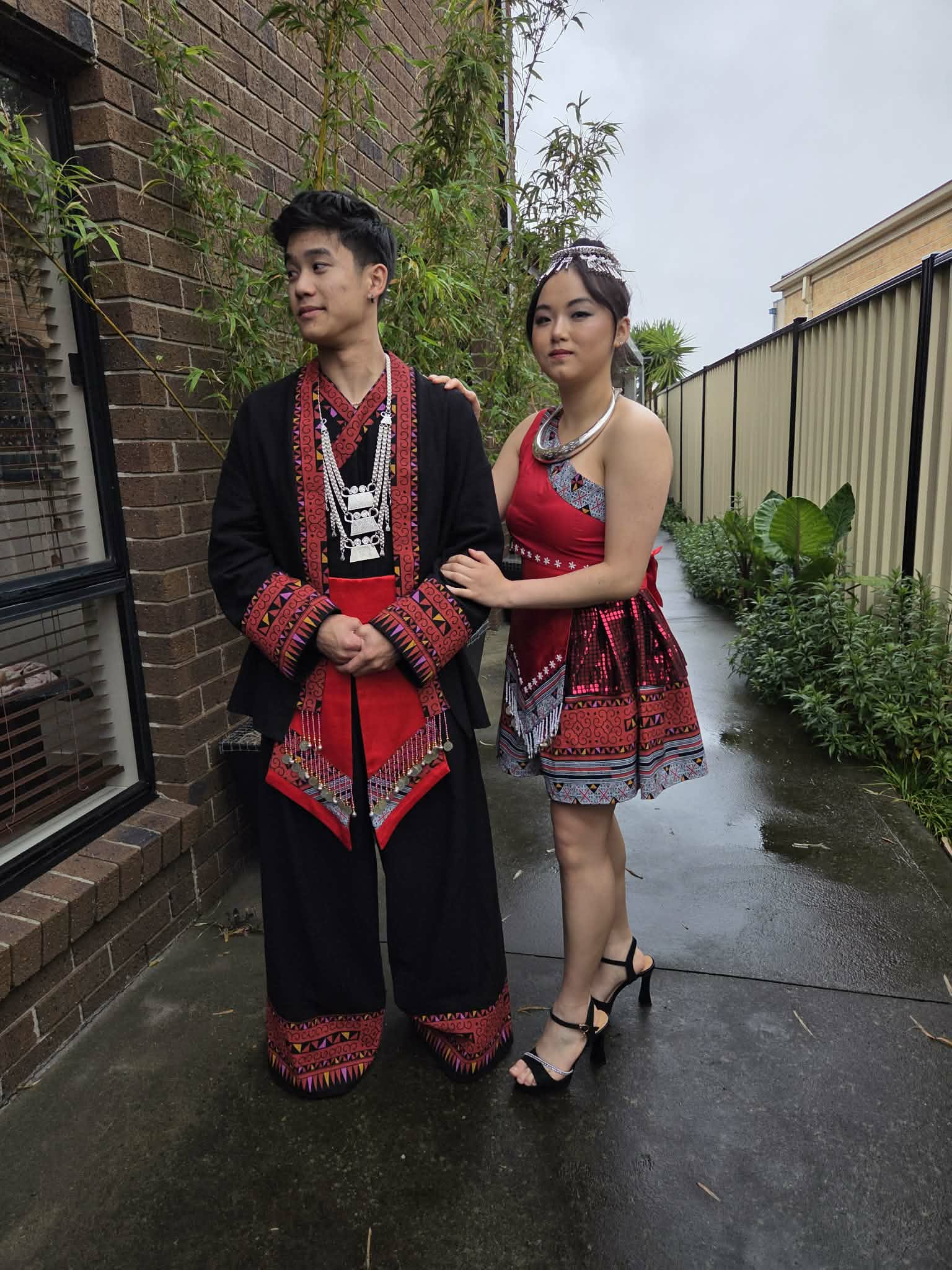

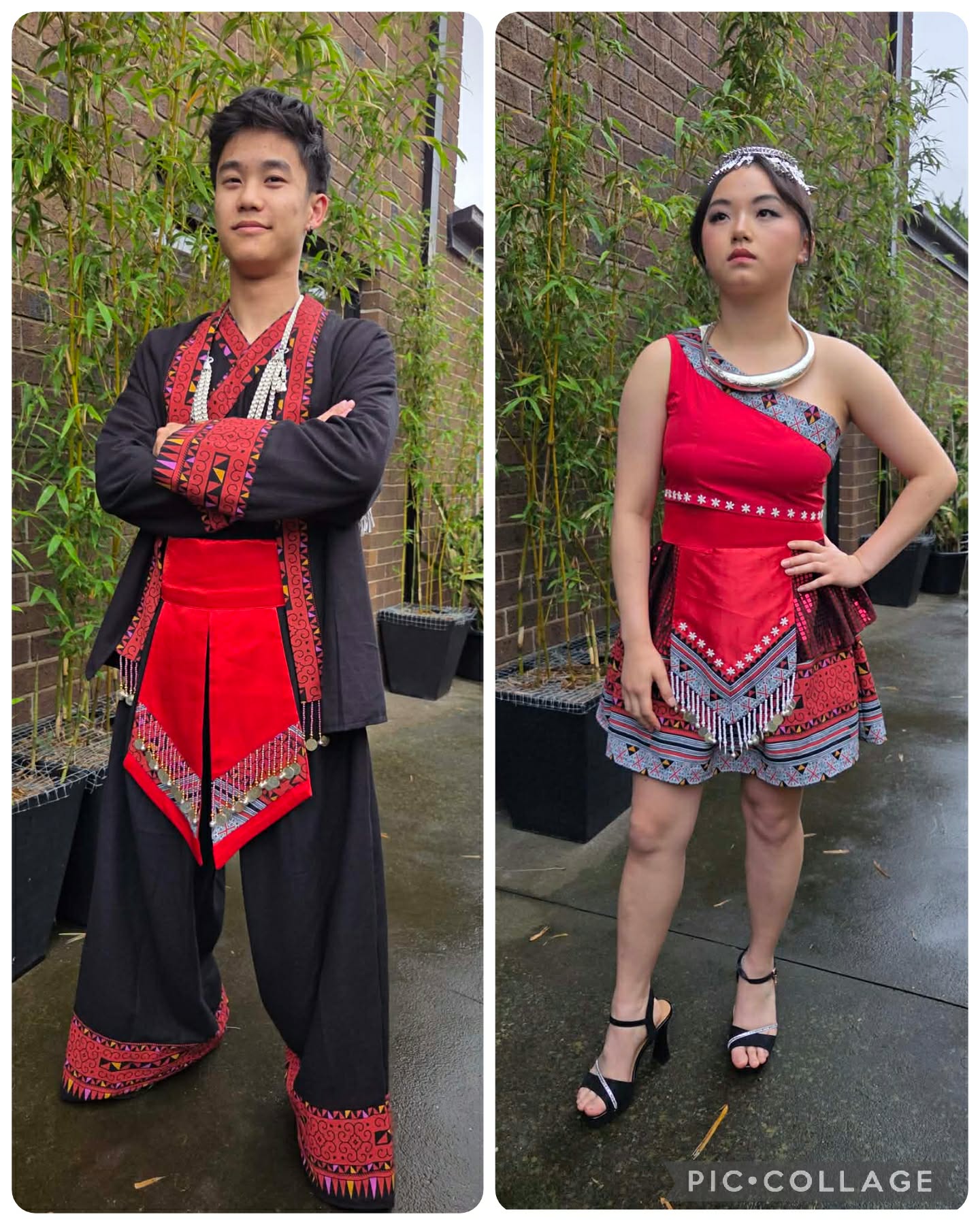
VANG: Between Threads as my first showcased Hmong inspired clothing collection entered into the 2025 Melbourne Hmong New Year was created from a deeply personal place, but it was never meant to stand alone. It exists because of community. Because of the stories passed down, skills observed, questions unspoken, and the quiet understanding that many of us carry more than one world at once.
For Hmong people, culture has never been static. It has travelled with us across borders, through displacement, into new countries and new lives. Along the way, it has adapted out of necessity, resilience, and care. What we wear, how we express ourselves, and how we relate to tradition has always shifted depending on time, place, and generation.
This collection was designed to reflect that reality.
I chose Indigo blue in two designs as a colour that speaks to endurance and continuity and to the unseen labour of women, their patience and our relationship with land. It reminds us that much of our culture lives in what was practical, everyday, and quietly sustained.
The use of red invites a different kind of reflection. In Hmong culture, red is not common or decorative. Its appearance in spiritual contexts, particularly through shamanic practice. It also marks moments of transformation, protection, and crossing between realms. Here, red is used sparingly and intentionally and unlike other Asian cultures, to Hmong people it does not to represent celebration.
And then there is the future, I wanted to represent through modern silhouettes and youth-led expression. For many younger Hmong people, identity is not something inherited unchanged, but something negotiated daily. Tradition is not rejected, but reshaped. Visibility, confidence, and choice become part of how culture continues to live.
Between Threads is not a statement about what Hmong culture should be. It is an invitation to reflect on what it already is layered, adaptive, and alive.
Between generations.
Between ceremony and everyday life.
Between what we inherit and what we choose to carry forward.
This work honours the idea that culture survives not by staying the same, but by being held with care — and allowed to grow.